
A Reflection from Pilgrim Youth Rob McNair
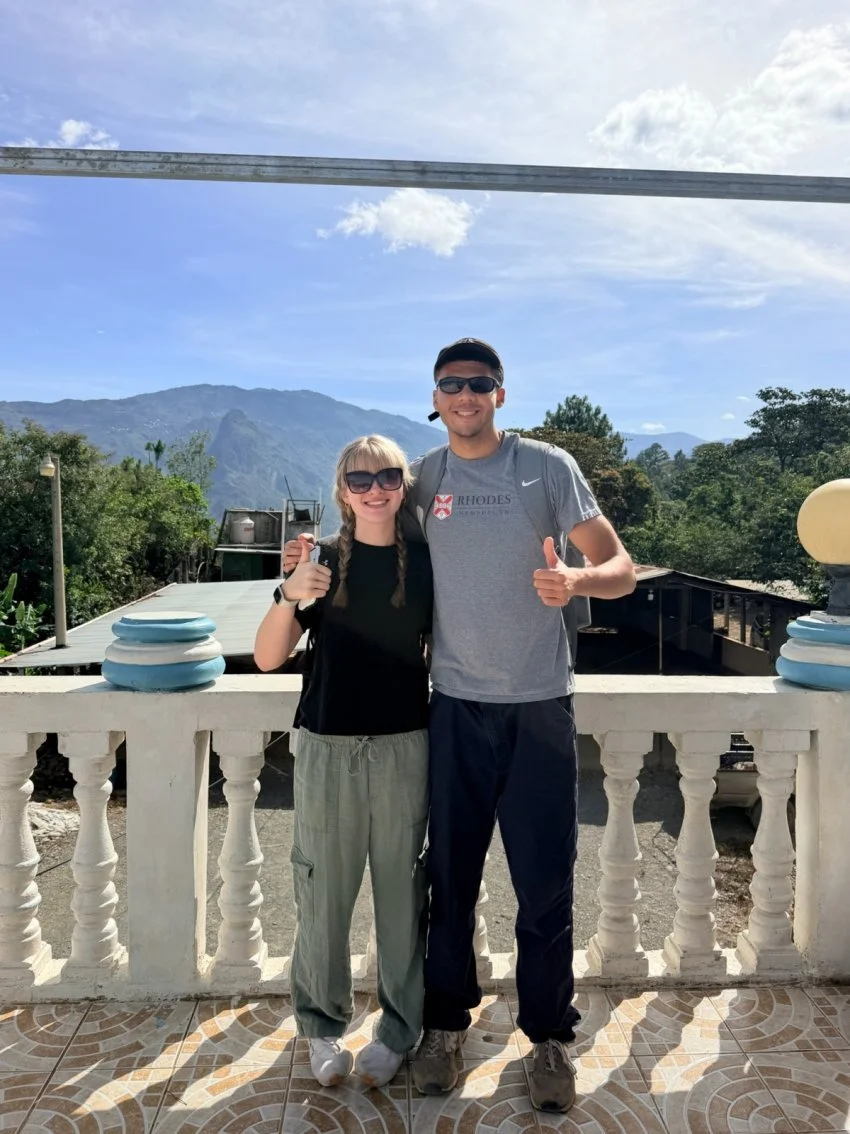
Having returned from Guatemala, I can say that I experienced a new culture in a way that significantly changed my understanding of cultural humility. As Americans, we sometimes approach service with a sense of cultural superiority, believing that it is our responsibility to "save" or "fix" communities that we view as less developed. My time in Guatemala challenged that mindset.
In each casa materna we were at, one of the first things I noticed was the ability of the workers to collaborate and solve problems. Despite the language barrier, which was manageable for me because of my limited Spanish experience, we were usually able to communicate and work together during physical projects at the casas.
During one of my group's off days, I was waiting for paint to dry on a wall that Naomi and I had been working on when I noticed Ama attempting to repair a hole in the ground outside the casa. I asked her, "¿Necesitas ayuda?" meaning, "Do you need help?" She said yes, and together we tried unsuccessfully to lift a broken piece of concrete out of the hole. Ama then told me to follow her and showed me how to mix, pour, and spread new concrete to fill the damaged area. Very few words were necessary. She demonstrated the process and said, "Como aquí," or "Like this."
The people we met also demonstrated remarkable adaptability and resourcefulness. On another occasion, my brother and I helped Dr. Mario and several others lift a 3,200-liter water tank, which was empty, onto the roof of a casa using a pulley system. The process was stressful, especially because we were working near the edge of the roof, but I was amazed by how quickly and confidently the people developed a solution.
To learn from these experiences, the volunteers and I had to immerse ourselves, as much as possible, in the customs and daily life of the people at the casas maternas. They welcomed us into their living spaces, provided us with filtered water, and made us feel comfortable sharing the casa with them. They cooked, cleaned, and cared for us while also teaching us how to contribute to the work of the casa, like making in-home patient visits, taking the height and weight of babies.
The women also worked hard to accommodate our dietary restrictions and preferences, while we made an effort to experience traditional Guatemalan foods and customs. This connects to Peter's experience in Acts 10. Peter had to let go of old beliefs about certain foods and people. God taught him not to view others as unclean or inferior. In a similar way, we had to let go of our own expectations and become open to unfamiliar customs. Felix, for example, adjusted her diet during the trip so she could take part more fully in the traditional meals.
My experience in Guatemala taught me this: cultural humility means understanding that meaningful service starts with separation from expectations and the willingness to learn from others.